
Explaining Escrow, Closing Costs & Real Estate Terminology when Buying a Home
A new pursuit sometimes requires a new vocabulary. This is no truer than when buying a house. Indeed, one might feel as if they are engaged in an entirely new language when buying your first home…
A new pursuit sometimes requires a new vocabulary. This is no truer than when buying a house. Indeed, one might feel as if they are engaged in an entirely new language when buying your first home. Don't feel bad because you are not alone in your confusion. Certain terms are essential to understand in order for a full financial picture whenever houses for sale excite your buying interest. If you are looking to join the growing queue of would-be homeowners who are considering buying a house, it is time to grapple with the nomenclature of the purchase.
Escrow—is perhaps one of the more familiar real estate terms raised when buying a home. Even if you don't understand the concept, you have probably heard the term. What does escrow actually mean when houses for sale "go into escrow?" Simply stated, escrow refers to the practice of depositing written instructions, funds, and documents with a neutral third party, such as an attorney or title company. This serves as a protection for all parties to the real estate transaction until all of the details of the contract have been met by both the buyer and seller.
BINSR—is probably one of the less used terms bandied about your apartment when talking about buying a house. An acronym, BINSR stands for Buyer Inspection Notice and Seller Response. A contingency within the buying contract, BINSR provides the buyer with the opportunity to conduct their due diligence in terms of inspecting the property. During this time, as the buyer, you would then be able to accept the terms of the agreement, walk away from the deal, or ask the seller to make any needed repairs of the property.
Closing Costs—represent the myriad of costs associated with buying a home. Beyond the purchase price of the property, you will also be expected to pony up to 2% to 5% of the purchase price at the close of escrow. Industry surveys suggest that buyers might expect to pay upwards of $3,700 when buying a house. Some common closing costs include:
Application fees
Courier fees
Title searches
Home inspections
Recording fees
Property taxes
Buying a house is the biggest investment you will ever make, and closing costs comprise a fairly big chunk of money you will want to set aside for your new dream home.
 Contingencies—define a contract that has been offered and accepted with houses for sale pending a finalized contract after certain "contingencies" are met by both parties to the sale. Typically, such contingencies tend to fall into three broad categories including mortgage approval, property appraisal, and home inspection issues.
Principal—refers to the amount of money borrowed for the purpose of buying a house. As an example, if you were to approach buying a house that costs $200,000 with a down payment of $30,000, the principal of the resulting loan would be $170,000. A good way to think about principal is that it is the other side of the financial teeter-totter that speaks to home equity. In the above example, you would have equity of $30,000 against the principal loan of $170,000.
Houses for Sale and "Talking the Talk."
Once you begin the houses for sale hunt, you will become more comfortable with these, and other, terms. Indeed, by the time you pay those closing costs, you will feel like a seasoned professional in the real estate business, but it's worth it when you buy a home.
Get the next one by email
One considered piece every other Thursday. No affiliate links.
Keep reading

How Technology has Changed the Real Estate Industry over the Last 10 Years
Technology has modernized many industries over the years. While technology in real estate may have grown at a slower pace than others, digitization has certainly altered the way people buy and sell…
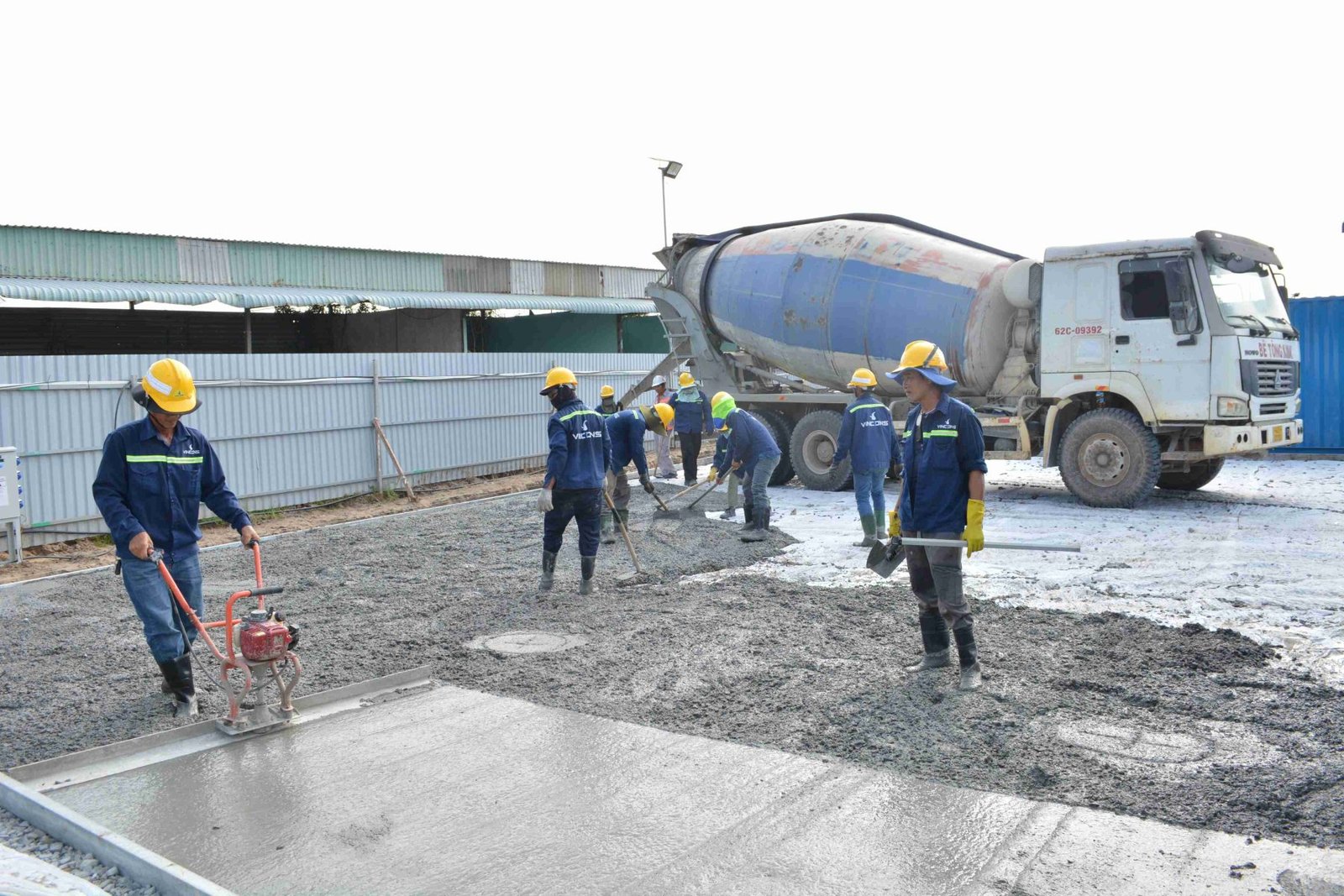
The Process of Pouring a Concrete Patio
Ready to transform your outdoor space with a sturdy, long-lasting addition? Pouring a concrete patio is popular for homeowners looking to enhance their backyard or garden. This project not only…

Reshaping Residential Infrastructure with Modern Techniques
Great news – especially for homeowners: residential infrastructure in Calgary is undergoing a significant transformation, driven by modern techniques that emphasize sustainability, efficiency, and…
Be the first to comment
Loading the thread…