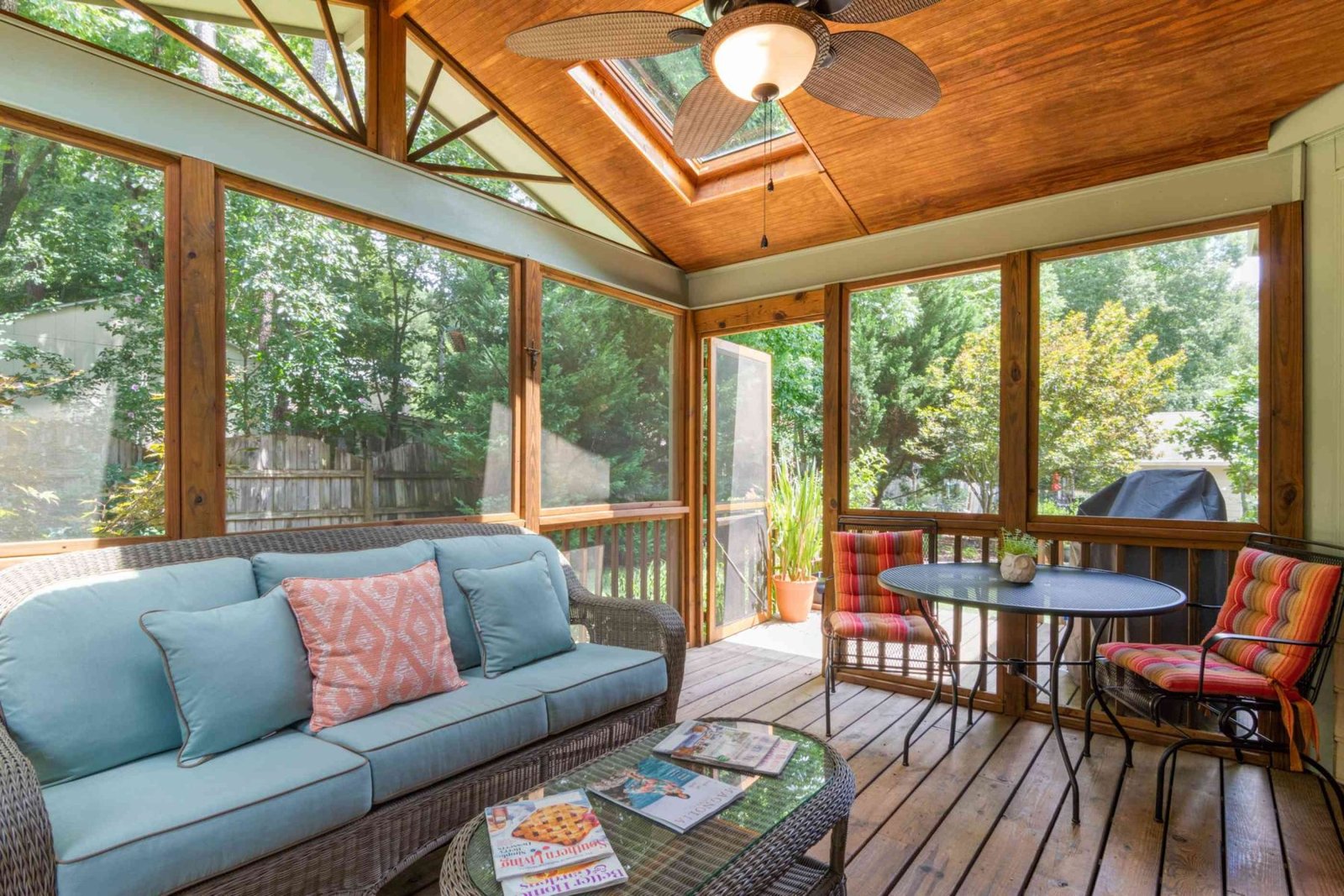
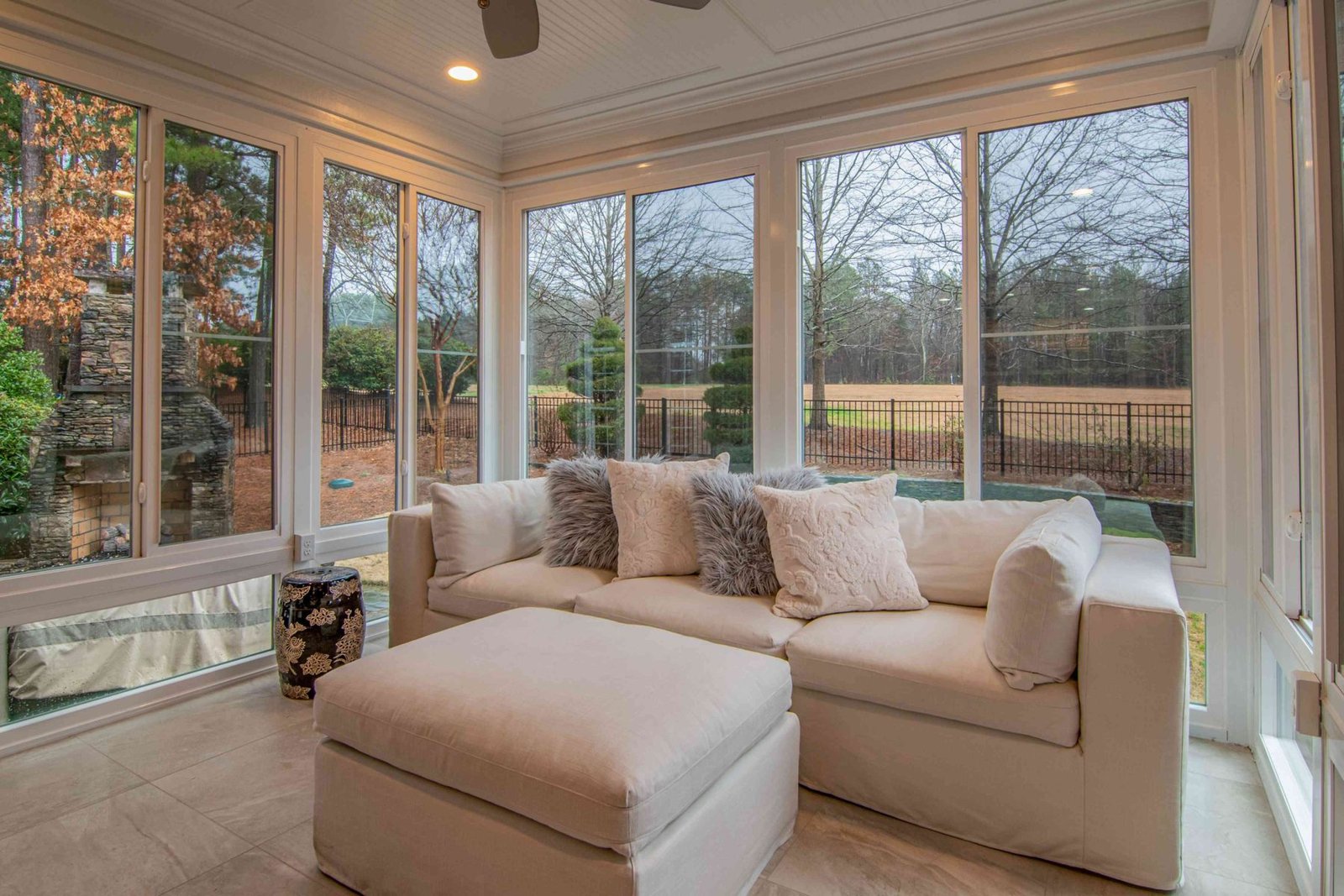
 When you enter a sunroom, all your attention is taken up by the view out of the windows, decorations and furnishings, and the pleasant warmth and light that make them such valuable additions to your home. What isn’t immediately obvious is whether it’s a 4-season or 3-season sunroom, and as a guest, it doesn’t make much of a difference.
However, as a Calgary homeowner and potential sunroom installer, you need to know the main differences, as it will affect a range of things from the price to the square footage you decide on. A 3-season room is designed to be cheaper, as it relies mainly on the sun for heat, so it requires less in the way of sturdy insulation. A 4-season room, as the name implies, is one that you can sit out in during the cold Alberta winters and still feel cozy and warm. They tend to cost more as they are designed to be heated and cooled using your in-home technology.
Here are some of the key differences between the make-up of a 4-season sunroom and a 3-season sunroom that affect the level of heating you will require:
Types of frames – the biggest difference between the two different sunrooms is in the type of frame used to construct the sunroom. A 3-season sunroom is typically made with non-thermally divided walls and an aluminum frame. These are not engineered to trap heat, so they tend to cost less. The frame of a 4-season room will have gaps between the inner and outer walls that can be filled with insulation, and the frame tends to be made from vinyl with steel reinforcement. These two features make your 4-season sunroom much more energy efficient and easier to heat in winter.
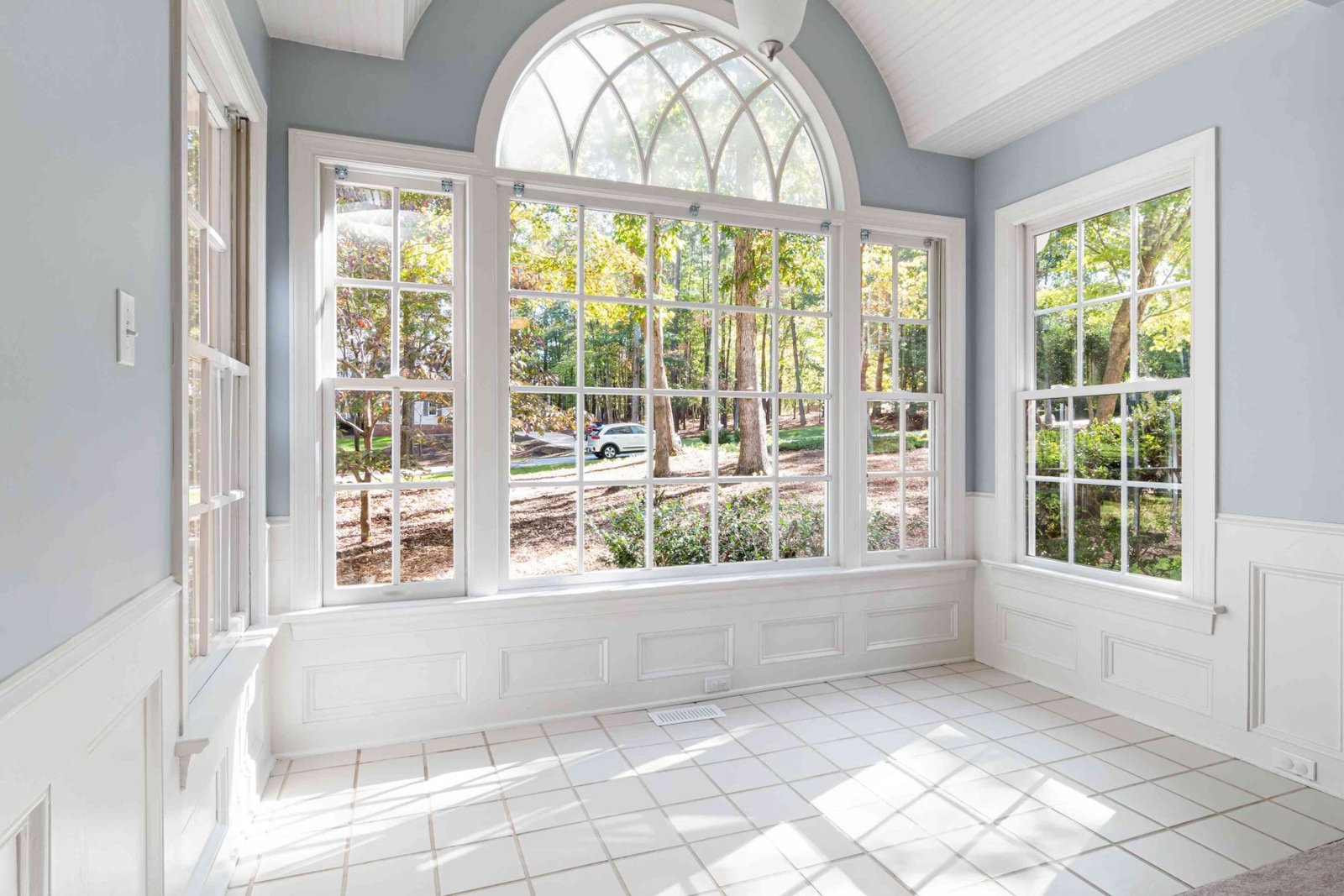 Types of glass – most of the heat loss in your home comes through your windows, which is why all 4-season sunrooms come fitted with double glazed windows to trap the heat in during the winter months. The 3-season sunroom comes with single-glazed windows to allow heat to escape, which is a benefit during the summer as the room will automatically cool itself. Finally, for a 4-season room, look for windows that come filled with argon gas, which acts as yet another layer of insulation.
Types of doors – doors act as a final layer of insulation in a sunroom, and even though the heat only escapes into your home, you want to think about how tightly the door needs to shut. In a 4-season sunroom, you want a snug fit with small runners to keep the heat in, while a 3-season door will often remain open year-round, so it requires a lesser finish.
At the end of the day, the main difference between a 4-season sunroom and a 3-season sunroom is how you’re going to heat it. All the decisions about insulation and design quality stem from that decision.
Get the next one by email
One considered piece every other Thursday. No affiliate links.
Keep reading

Transforming Your Calgary Home's Curb Appeal: A Grand Entrance
The front of your Calgary home sets the tone for its overall aesthetic and curb appeal; a grand and elegant entrance can significantly enhance your house's value and leave a lasting impression on…
What the Color of Your Front Door Says About You & to Potential Buyers
The front door is an integral part of any house. It is one of the first things that people see when they visit you. As such, its color can say a lot about you as the homeowner. Whether it is subtle…

What is the difference between a studio roof and a gable roof?
When you’re looking at installing a new sunroom, it can be easy to get caught up in the big picture, planning out what to do with all the extra space and how you’ll entertain throughout the year with…
Be the first to comment
Loading the thread…