Understanding Renovation Costs Before Buying
Every human craves three materials: food, clothing, and a secure home. You can arrange the first two with minimal money, but what about housing? Why do we jump directly to “buying a new home”?
Every human craves three materials: food, clothing, and a secure home. You can arrange the first two with minimal money, but what about housing? Why do we jump directly to “buying a new home”?
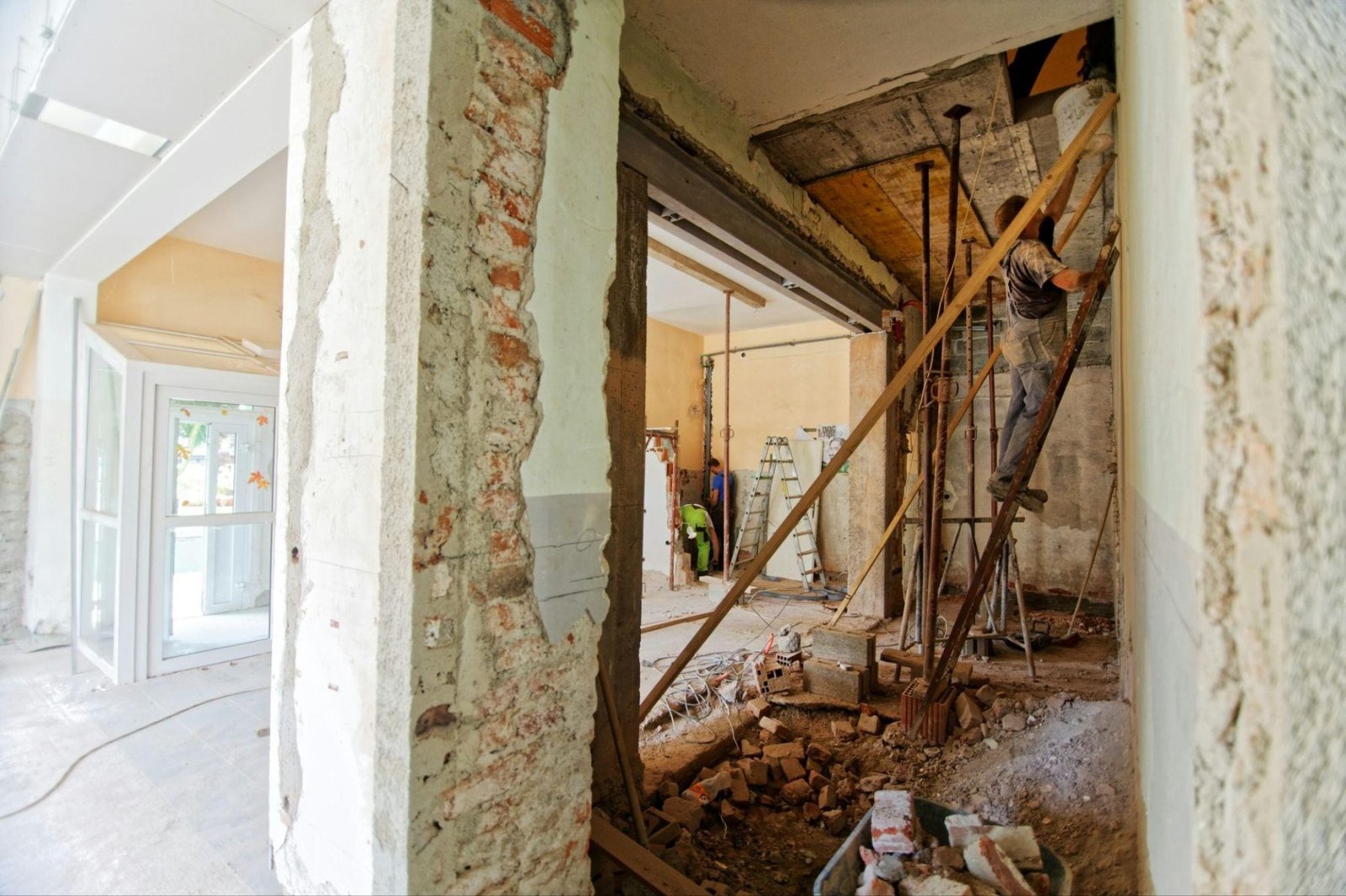
Renovation costs are often overlooked during the home-buying process. Prospective buyers primarily focus on the asking price, deposits, or other overheads, but they ignore renovation costs.
We have also realized that many real estate agents are not aware of construction costs and rightly so because that is not the direct scope of their knowledge. Contractors will not be able to quote accurately without seeing floor plans.
But how do we make renovation costs a priority? You might be in the market for a new home that is perfect for you, but if you do not consider the renovation cost such as structural renovations, the house may end up being not so perfect.
Strategies for Understanding Renovation Costs
Now that we have established that renovation costs are a thing, where do we go next? It can’t be that simple. Here are some strategies that we believe might be useful in understanding how to go about construction costs before buying:
Existing Condition of the Property
The preliminary step for home buyers when purchasing a property is to undertake a home inspection. This is essential and critical as it can uncover unseen issues. Home inspections use tools to determine issues such as mold, check for urgent repairs, or anything else that might be potentially problematic.
The home inspector will provide you with an itemized report that could help you negotiate the price in your favor. But if the inspection turns out to be favorable for the seller, you must honor that too.
Scale of the Renovation
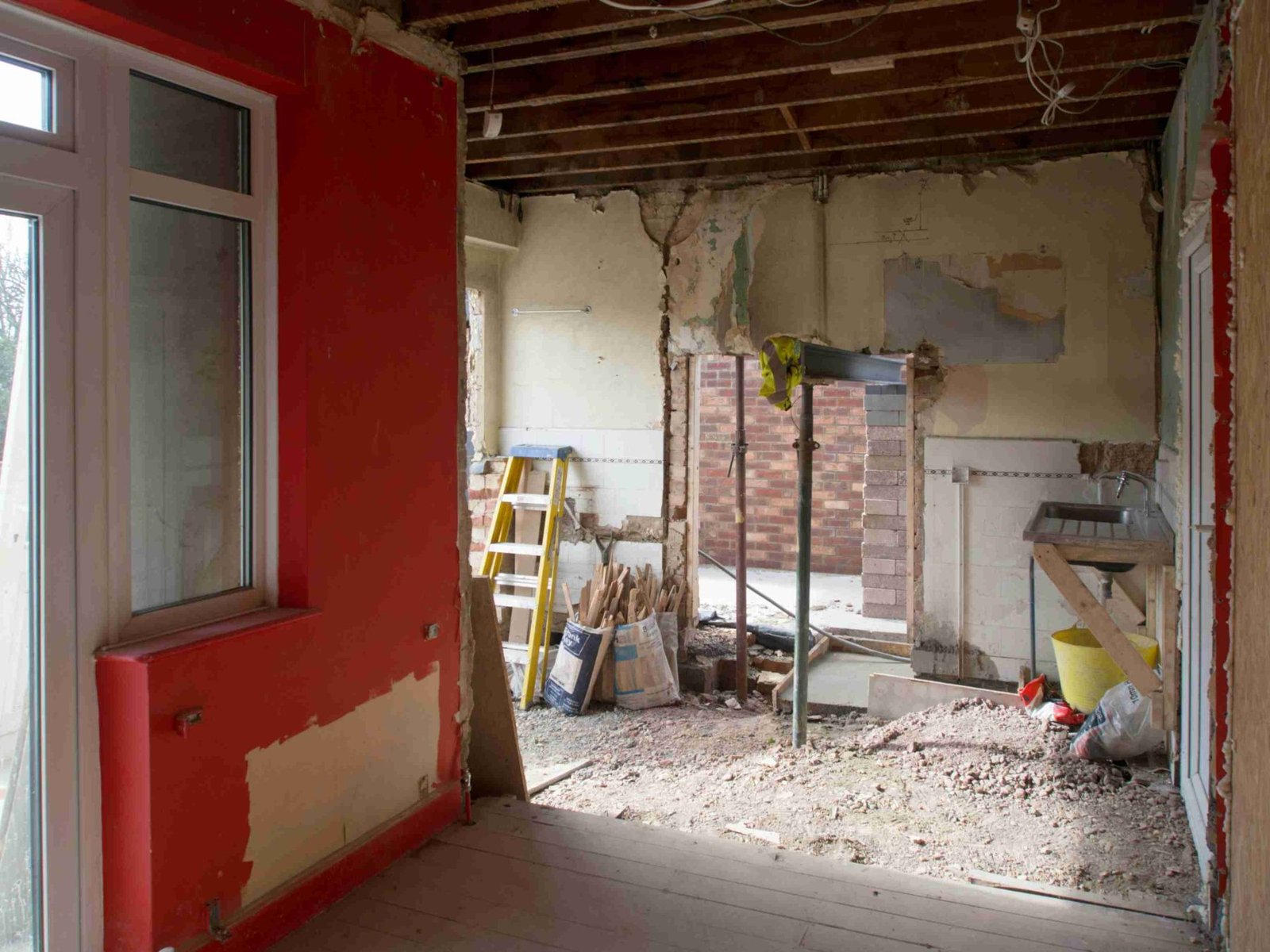
The level of renovation will massively impact the cost. Two categories would determine the cost:
Major Renovation
Finishes
A major renovation would comprise structural alterations or partial demolition. For this, you would require permits, structural plans, quantities, architectural costs, contractors, overheads, etc. For finishes, the renovation would cover replacing the floors, remodeling a kitchen, or painting the interiors. Redoing the finishes would be a more affordable option in comparison to a full-fledged renovation.
Location
Costs vary dramatically based on location. Properties in urban areas incur high labor costs compared to suburban areas. Zoning regulations in different locations can add to these expenses.
Steps to Evaluate
When considering renovation costs, you might want to be aware of some pointers:
Conduct a detailed home inspection.
Prioritize renovation requirements.
Research associated costs.
Account for hidden costs.
Use online renovation calculators.
Costs Associated
 When determining costs, some guidelines might come in handy:
The cost for a kitchen renovation could range from $15,000 for minor upgrades to $50,000 for high-end renovations.
For interior renovations such as walls, finishes, ceilings, etc, the prices will vary based on the location. Approximate costs range between $80 - $150/SF.
For replacing the floor, the cost would vary based on the material vinyl ($2 - $5/ SF), and tile ($7 - $15/SF).
For replacing the roof, you should expect to spend somewhere between $5,000 to $15,000 depending on the material and size.
A fresh coat of paint is relatively affordable. Interior painting costs around $2 to $6/ SF while exterior painting is more expensive at $3 to $9/SF.
These are just estimates and it is always advisable to look at aspects such as the square footage of the property, location, contractors’s quotes, etc.
Stay on Budget
The bad thing about construction is that you could spend as much money but still, the project would be incomplete. Here’s how you could stay on budget when understanding renovation costs:
Plan thoroughly.
Source materials wisely.
Opt for DIY when possible.
Stick to the original plan.
Conclusion
Understanding renovation costs before buying is essential for anyone considering a property that requires updates. By assessing the property and its associated aspects, home buyers could have a much more seamless process throughout.
Evaluating the costs, setting budget restraints, and executing intelligently, the renovation could turn out to be a lucrative investment. The more informed you are about the upsides and pitfalls of the renovation process, the better you will be able to handle it and transform it into a success story.
Get the next one by email
One considered piece every other Thursday. No affiliate links.
Keep reading
Evaluation of the Top 4 Home Security Systems for 2026 Holiday Season
The holiday season is almost upon us but before it hits the holiday shopping season will begin. Thinking about investing in a home security system for your house? This is a great time to buy as most…

10 Tips for Moving to a New State
Moving out of state is exciting, but it can also be hard. When you buy a home out of state, you can expect to pay more to move and jump through extra hoops. If you're moving to a new state, here are…
5 Reasons to Sell Your Current Home and Relocate Before 2027
Finding the right time to sell your house has always been tricky. Predicting when the housing prices will be the highest is one aspect and forecasting demand for homes in your area is another. Realizing the best deal when selling your home is a combination of both of these – demand from buyers and the availability of buyers who are in a position to pay premium home prices.
Be the first to comment
Loading the thread…