The Future of Homeownership: A Smart, Sustainable Oasis
Remember those old-school houses? Just walls and a roof? Yeah, us neither. Today's homes are more like tech-savvy, eco-friendly superheroes. They're not just places to live; they're experiences. And we're here to spill the beans on why you should be excited.
Remember those old-school houses? Just walls and a roof? Yeah, us neither. Today's homes are more like tech-savvy, eco-friendly superheroes. They're not just places to live; they're experiences. And we're here to spill the beans on why you should be excited.
Smart Homes: Your Personal Tech Haven
National home buyer Sell Soon Homes says smart homes “aren't just a fancy term; they're your personal life assistants.” Imagine a place where Amazon Echo or Google Home controls your smart lights, smart thermostats like Nest or Ecobee adjust to your preferences, and smart locks keep your home secure. It's like having a butler who's also a tech whiz.
But it's not all about the bells and whistles. Smart homes are seriously practical. Smart appliances like energy-efficient refrigerators and dishwashers can save you money and reduce your carbon footprint. And let's not forget about security – feeling safe and sound is priceless. Beyond the basics, smart homes are evolving to cater to specific needs. For instance, aging in place is becoming a significant consideration, with features like smart fall detection and remote medication reminders.
Sustainable Living
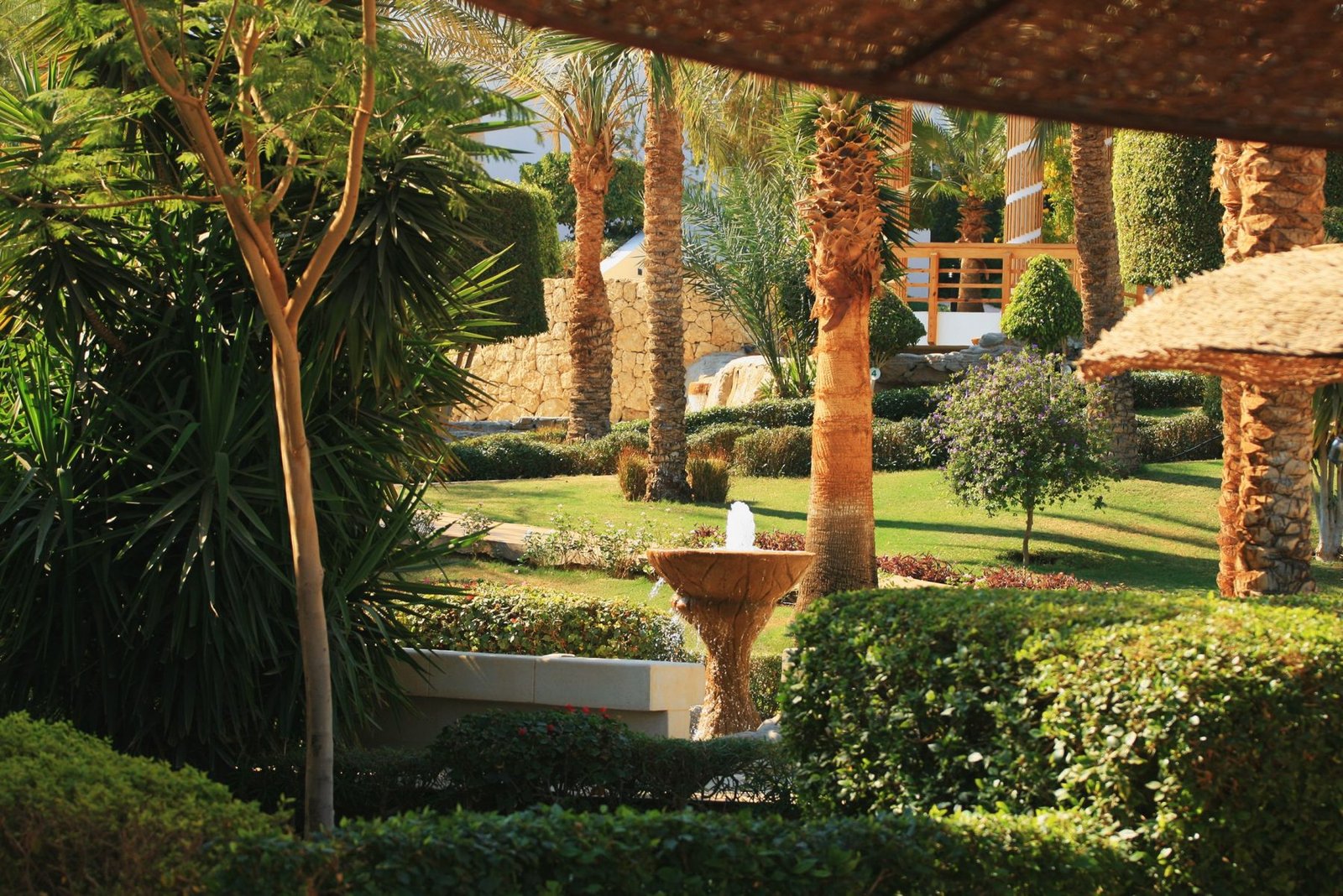
We all want to leave this planet a little better than we found it. And guess what? Your home can help. From solar panels soaking up sunshine to low-flow showers saving water, there are tons of ways to make your house greener. Plus, sustainable homes often look pretty darn stylish.
But it's not just about saving the planet. Sustainable living can also save you money. Less energy used means less money spent. It's a win-win! And the benefits extend beyond your wallet. Studies show that living in a green space can improve mental health and overall well-being. Green roofs and vertical gardens can transform your home into a personal oasis while contributing to better air quality.
The Perfect Blend: Smart and Sustainable
When smart tech and eco-friendliness join forces, it's like peanut butter and jelly – a match made in heaven. Imagine a home where smart thermostats learn your habits and optimize energy use, while smart irrigation systems ensure your lawn gets just the right amount of water. It's a future where technology and nature work together to create spaces that are both comfortable and conscious. And it's not just about the big-ticket items. Small changes can make a big difference. For example, LED lightbulbs and smart power strips can significantly reduce energy consumption.
Affordability and Accessibility
The dream of a smart, sustainable home is often out of reach for many. High upfront costs and ongoing expenses can be a significant barrier. To make these homes more accessible, government incentives like tax breaks or rebates could play a crucial role. Innovative financing options, such as green mortgages or energy-performance-based loans, can also help homeowners make the leap. Additionally, exploring modular or prefabricated construction methods can streamline the building process and reduce costs.
Health and Wellness
Our homes significantly impact our well-being. Smart homes can contribute to a healthier lifestyle by monitoring and improving indoor air quality. Features like air purifiers and sensors can detect pollutants and allergens. Circadian lighting systems can regulate sleep patterns and boost energy levels. Noise reduction technologies, such as soundproofing materials and white noise machines, can create a serene environment for relaxation and focus.
Home Office and Remote Work
With the rise of remote work, the home has become a multifunctional space. Smart homes can be optimized for productivity with dedicated workspaces, adjustable desks, and ample natural light. Video conferencing equipment and high-speed internet are essential. Ergonomic furniture and noise-canceling headphones can enhance comfort and focus.
Broader Impact
Smart and sustainable homes have the potential to foster stronger communities. Shared amenities like community gardens, electric vehicle charging stations, and co-working spaces can bring neighbors together. Energy sharing programs can create a sense of cooperation and reduce environmental impact. Neighborhood-wide sustainability initiatives can enhance the overall quality of life.
Real Estate Market
The demand for smart and sustainable homes is growing, influencing the real estate market. Property values for these homes tend to be higher due to their energy efficiency and desirable features. However, challenges such as a limited supply of skilled labor and specialized materials can impact construction timelines and costs. Real estate agents and developers need to adapt to these trends by offering specialized services and staying informed about the latest technologies.
Policy and Regulation
Government policies play a vital role in promoting smart and sustainable homeownership. Incentives like tax credits for energy-efficient upgrades can encourage homeowners to invest in these technologies. Building codes and zoning regulations can be updated to support sustainable construction practices. Additionally, policies that promote affordable housing and access to financing can help make these homes accessible to a wider range of buyers.
Emerging Technologies
The future of homeownership is exciting, with advancements in technology promising to revolutionize our living spaces. Artificial intelligence can optimize energy consumption and personalize home environments. Virtual and augmented reality can be used for interior design, home maintenance, and remote property management. Robotics can assist with household chores and provide companionship.
Sustainability Innovations
The quest for sustainable living continues to drive innovation. Advances in materials science are leading to the development of eco-friendly building materials with improved performance. Renewable energy technologies are becoming more efficient and affordable. Water conservation systems are evolving to maximize water usage while minimizing waste. These innovations will shape the homes of the future, making them more sustainable and resilient.
Overcoming Challenges, Embracing Opportunities
Building a smart, sustainable home isn't always a walk in the park. Costs can be higher upfront, and figuring out all the tech can be a bit overwhelming. But the long-term benefits are undeniable.
Think about it: lower energy bills, a smaller carbon footprint, a healthier living environment, and increased property value. It's like upgrading from a basic car to a self-driving electric vehicle – way cooler, right?
The future of homeownership is bright, and it's filled with possibilities. We're excited to see what comes next – and we hope you are too. Let's build a world where every home is a smart, sustainable oasis.
So, are you ready to level up your living space?
Get the next one by email
One considered piece every other Thursday. No affiliate links.
Keep reading
Evaluation of the Top 4 Home Security Systems for 2026 Holiday Season
The holiday season is almost upon us but before it hits the holiday shopping season will begin. Thinking about investing in a home security system for your house? This is a great time to buy as most…

10 Tips for Moving to a New State
Moving out of state is exciting, but it can also be hard. When you buy a home out of state, you can expect to pay more to move and jump through extra hoops. If you're moving to a new state, here are…
5 Reasons to Sell Your Current Home and Relocate Before 2027
Finding the right time to sell your house has always been tricky. Predicting when the housing prices will be the highest is one aspect and forecasting demand for homes in your area is another. Realizing the best deal when selling your home is a combination of both of these – demand from buyers and the availability of buyers who are in a position to pay premium home prices.
Be the first to comment
Loading the thread…